Mechanical Engineering 2025 Review: Smart, sustainable and future-oriented design

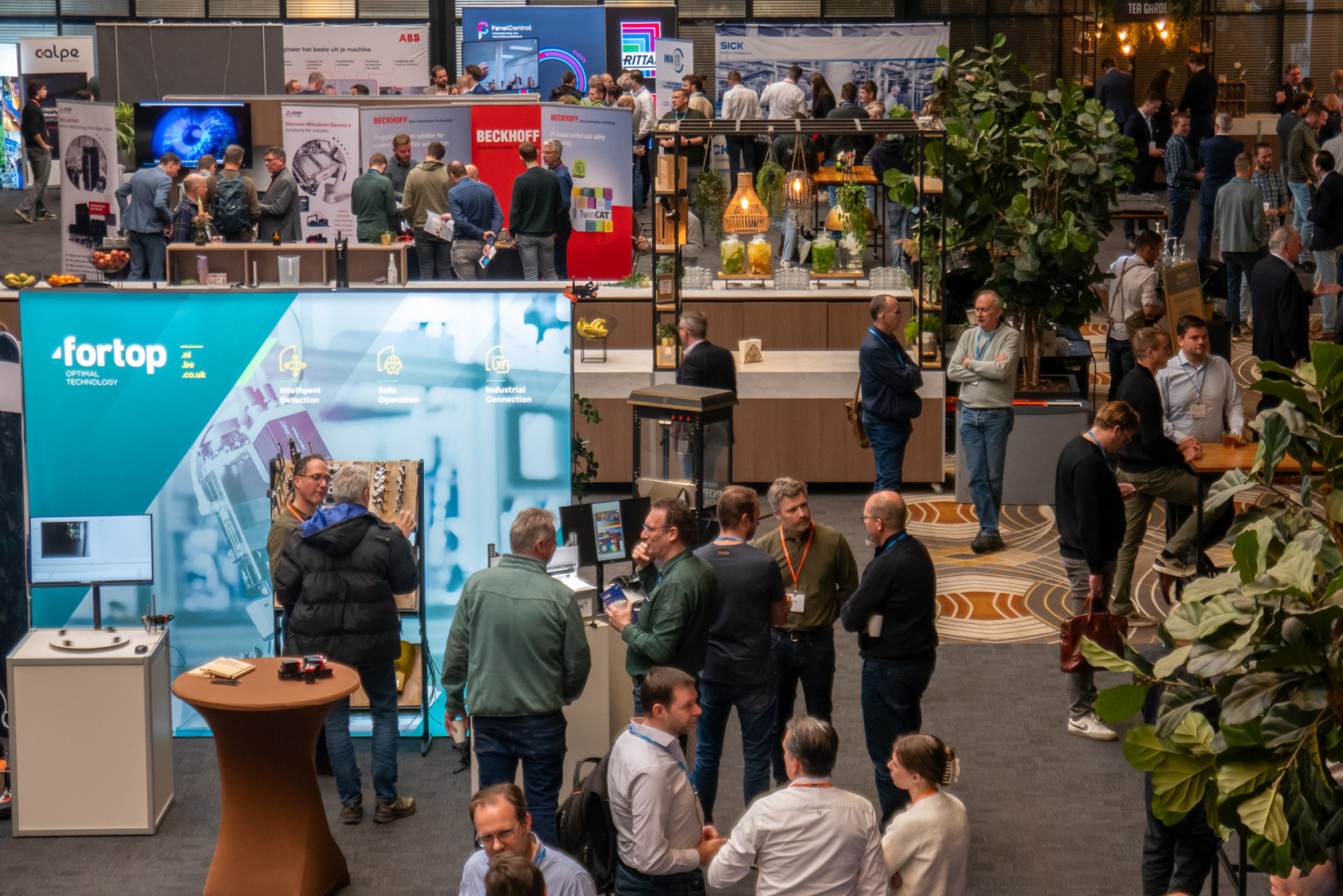
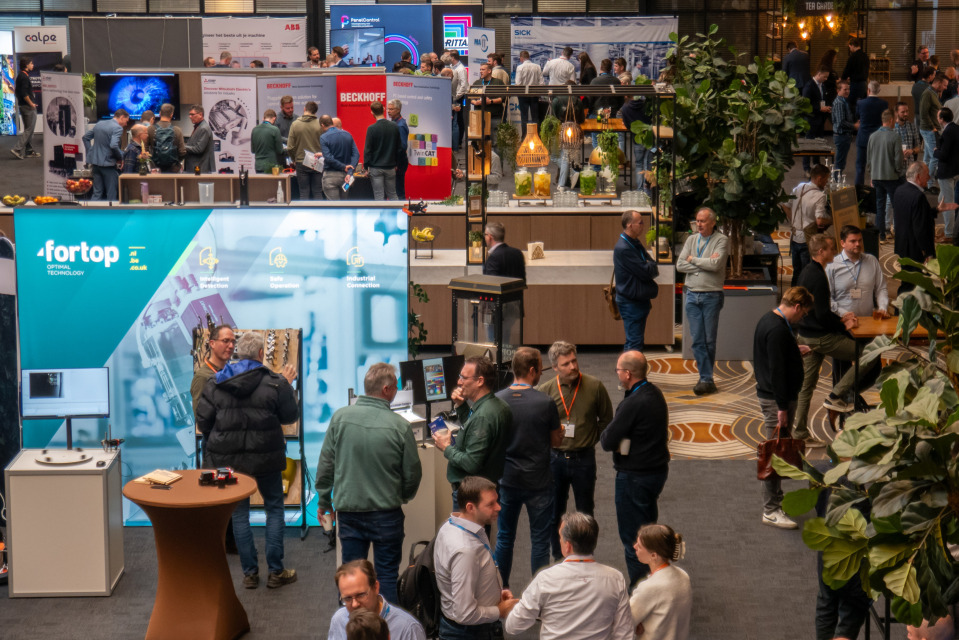
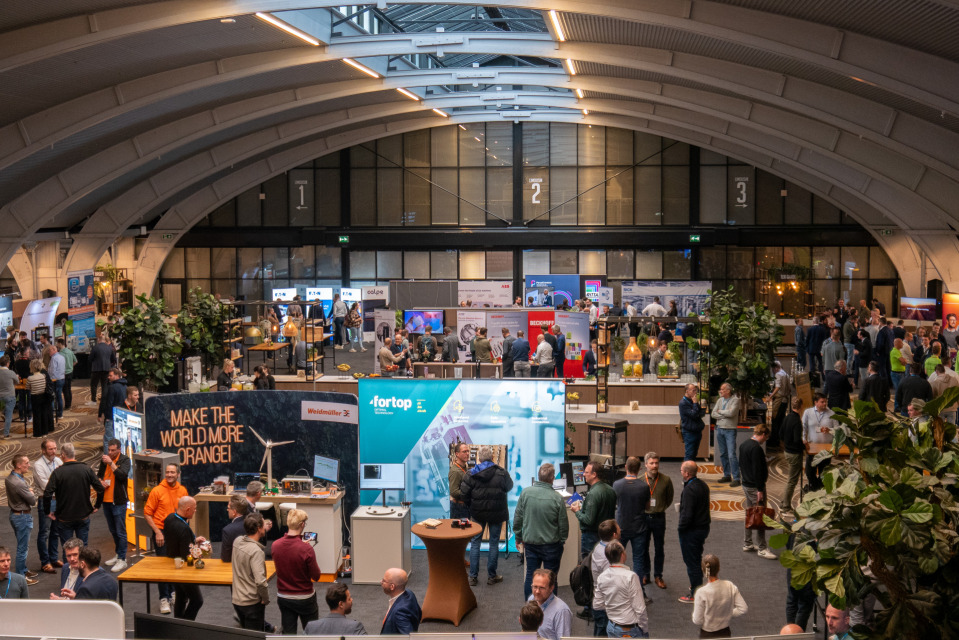
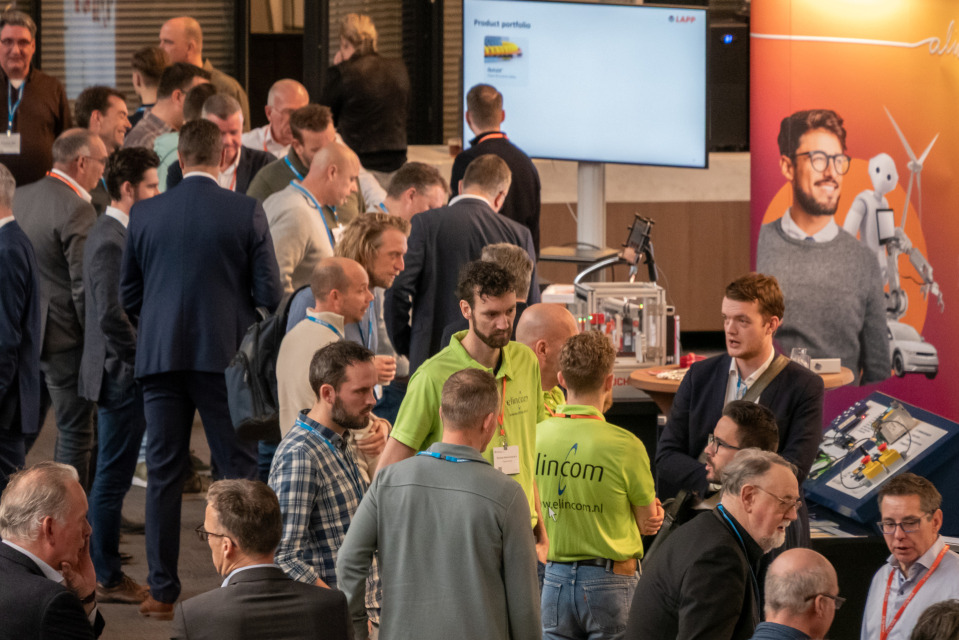
Machinebouw 2025 brought together over four hundred engineers, designers, and technical specialists for a day full of innovation, inspiration, and practical knowledge. At the 1931 Congress Centre, it became clear how quickly the world of mechanical engineering is changing: from advanced vision technology and smart AI applications to integrated safety solutions.
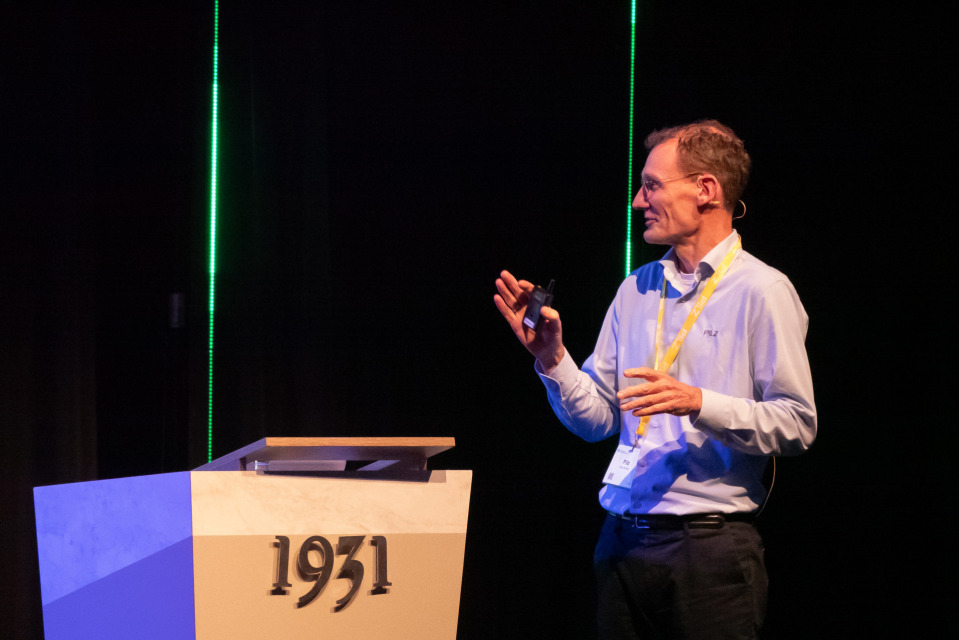
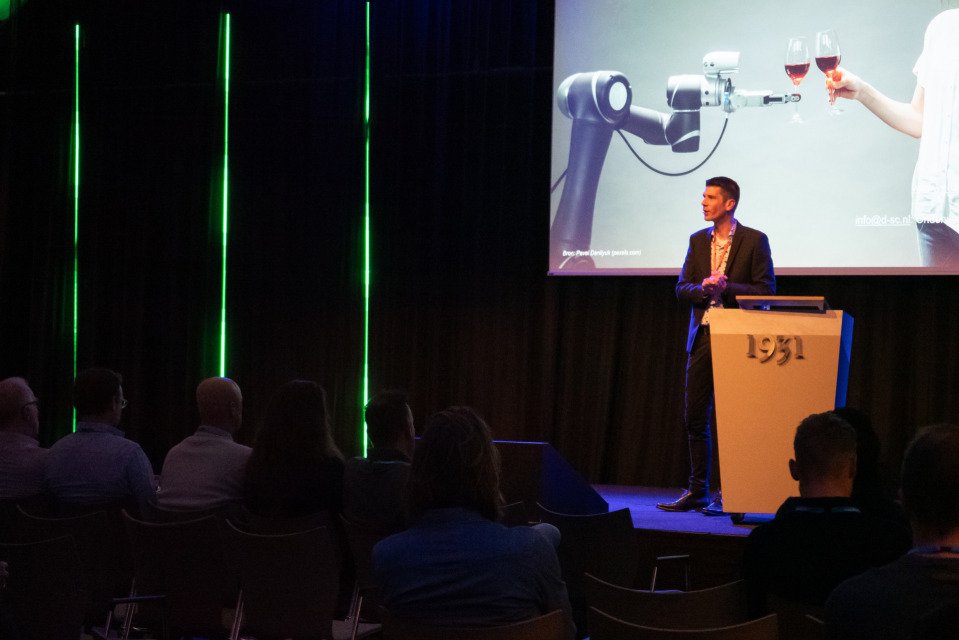
Safety consultant Martijn Drost kicks off the day with a reassuring and stimulating message: the new European Machinery Regulation (2023/1230) seems drastic, but the core remains familiar. “Old wine in new bottles”, he summarizes. Yet, the regulation is necessary, Drost emphasizes: "Digitalization, AI, and network communication are changing machines at a rapid pace, and the current Machinery Directive simply no longer provides a framework for this."
Drost outlines how humans and machines are increasingly merging, from collaborative robots to autonomous systems that move freely through factories. He then takes the audience step by step through the most important changes. His message is clear: start early, read the new frameworks carefully, and discover that the regulation is primarily intended to create clarity and a level playing field, not to shake up the sector.
Modularization and standardization
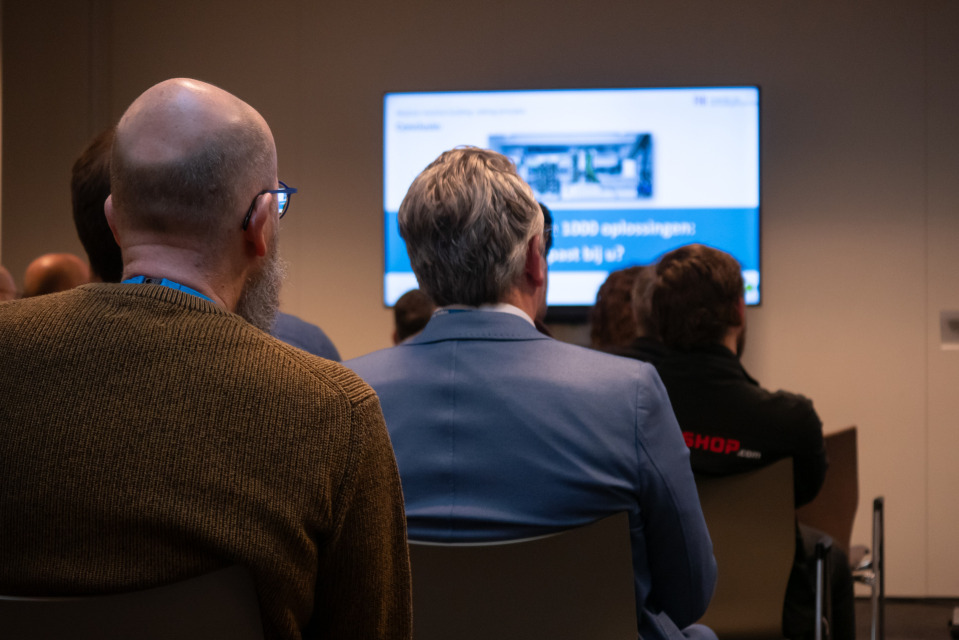
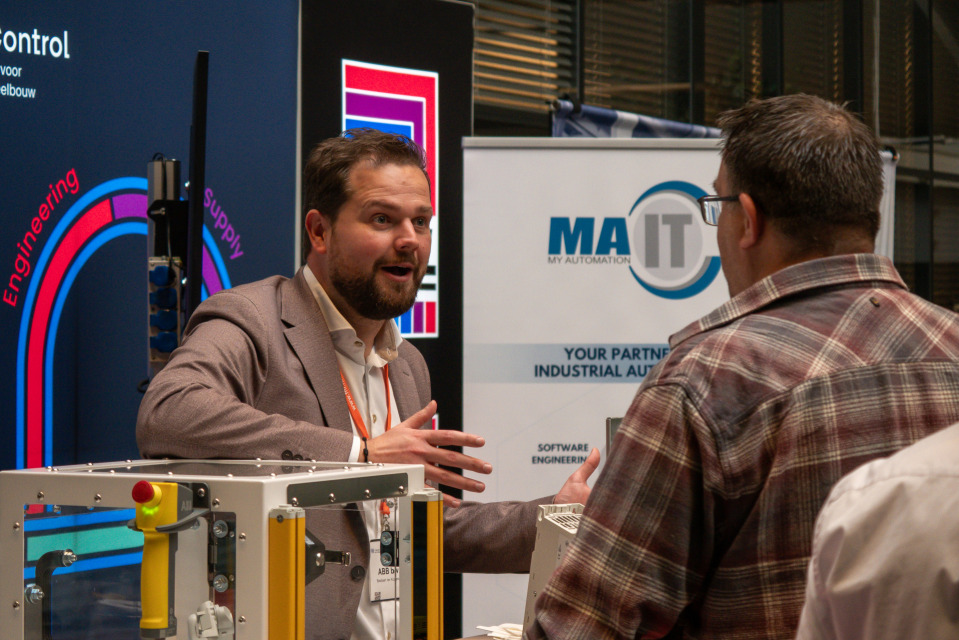
The breakout sessions highlight the breadth of challenges and opportunities in modern mechanical engineering. Phoenix Contact demonstrates how modularization addresses increasing complexity, while other speakers emphasize closer integration. Modular thinking aligns seamlessly with the vision of MA-IT and Eplan, where standardization forms the basis for smarter designs. The result: machines that are faster to develop, easier to maintain, and remain easily adaptable.
At the same time, attention is also paid to the new responsibilities that digitalization brings. Cybersecurity is no longer a prerequisite, but an integral part of modern machine design. The sessions on new vision technology showed how plug-and-play inspections make quality control more accessible, but also how many additional data flows and IT connections this generates. This creates a vision of the future in which modularity, integration, AI, and cybersecurity are no longer separate themes but reinforce each other in the development of flexible and securely connected machines.
The power of chains
In the closing keynote, Edwin Bolwerk, CEO of Moba, will outline the power of supply chain collaboration. Moba remains a global market leader by prioritizing uptime, innovation, and strong partner relationships. Vision and AI technology, configure-to-order, and digital services play a key role in this. Bolwerk emphasizes that true progress is only possible when OEMs, suppliers, and customers work together as a unified supply chain to develop efficient and sustainable solutions.
Machinebouw 2025 concludes with a clear insight: the sector is looking ahead with ambition. Not a single theme, but rather energy, curiosity, and a drive for innovation unite visitors. The Machinebouw event brings together professionals who, each in their own unique way, build better machines: smart, sustainable, and future-oriented. An inspiring day that leaves you wanting more.
On February 3rd, the conversation continues during the Production Process Automation (PPA) event. Here, visitors will discover the latest automation solutions, connect with leading suppliers, and gain insight into the developments shaping the factory of tomorrow. Want to know more? Visit the website.
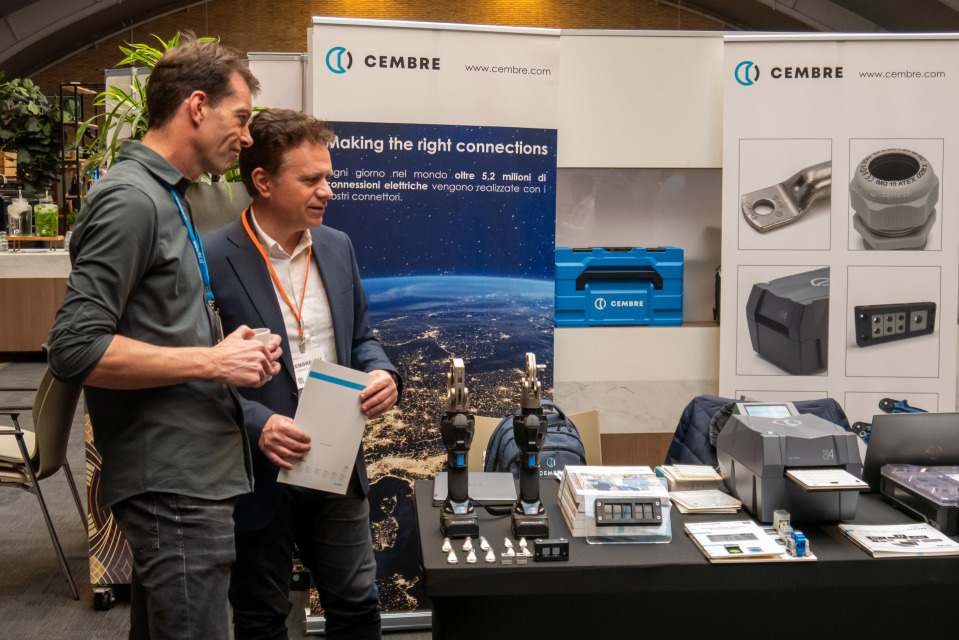
Mechanical engineering in pictures




Put it in your agenda
Production Process Automation