The Invisible Curator: How Priva keeps the heart of the Rijksmuseum beating

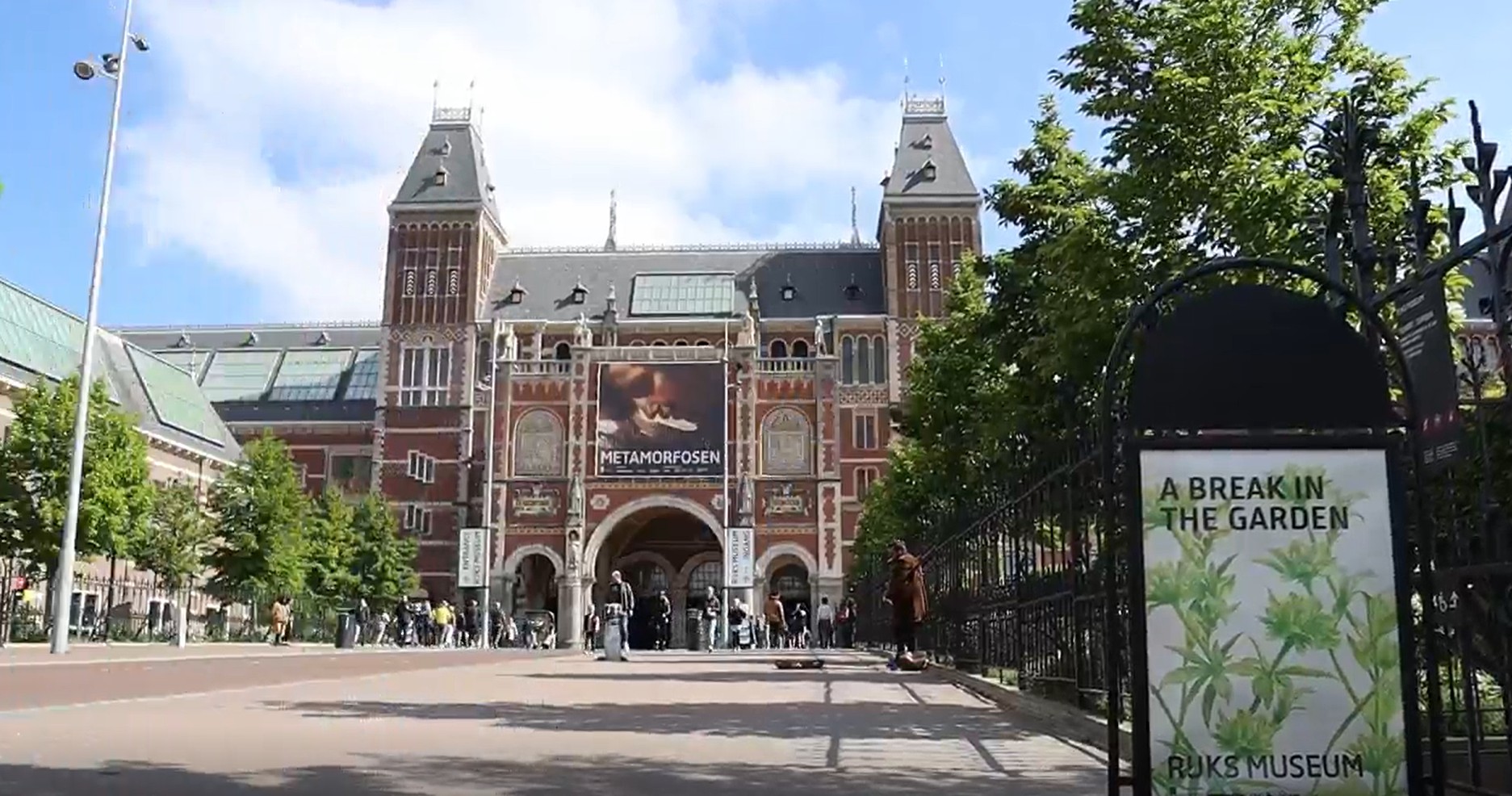
The Rijksmuseum in Amsterdam is much more than an imposing monument; it is a living organism that never sleeps. Behind the iconic walls and the world-famous Night Watch lies a technical marvel that watches over the national art treasures 24/7. Since 1987, Priva Building Automation has been the silent force behind the scenes, responsible for the building automation that ensures the museum literally stays 'afloat'.
Anyone walking through the Gallery of Honour sees the masterpieces of Rembrandt and Vermeer, but what you do not see is the constant stream of data and technology that protects these works. “Compare the Rijksmuseum to a sailing ship,” says Gerrit Engberts (Rijksmuseum). “Building automation is the heart; it ensures that the ship stays on course and does not sink. In our case, that means an undisturbed environment for the art and a pleasant experience for the millions of visitors.”
A collaboration of decades
The bond between the Rijksmuseum and Priva Building Automation is unique. It goes beyond a supplier-customer relationship; it is a partnership in which museum employees themselves are trained by Priva to become Priva Certified Engineers. As a result, technical expertise is directly embedded within the building. Following the major renovations between 2008 and 2012, the bar was raised even higher. Currently, the museum is in the midst of a large-scale transition from the HX platform to the latest Priva Blue ID technology. It is a four-year operation during which the “shop” remains open. “This year, it is the Night Watch Room’s turn. That is, of course, a tense transition, because it means working 24 hours a day without an emergency system. Art is fragile; a single error in humidity levels can cause irreversible damage.”
The art of omission: Invisible technique
In a historic monument like the Rijksmuseum, one rule is sacred: technology must never interfere with aesthetics. Before the renovation, cooling systems were still situated around the building; now, everything is concealed within a unique 'energy ring' beneath and around the premises. The results of this invisible engine are spectacular. Since 2021, the main building has been completely gas-free. Between 2018 and 2026, energy waste has been reduced by no less than 301 TP3T and gas consumption has decreased by 791 TP3T. Thanks to the smart deployment of heat pumps, 951 TP3T of the energy is now being converted into useful work.
Smart data as a crystal ball
With 60 air handling units and countless sensors in the halls, every temperature fluctuation is detected immediately. “Priva manages the installation based on weather forecasts and the occupancy of the museum,” explains Serge Jamoneau (Priva Building Automation). “A hall full of tourists generates enormous amounts of kilowatts of heat. The system must anticipate this before the values deviate.”
That data is worth its weight in gold. For the current restoration of The Night Watch, the museum sometimes delves back into digital archives as far back as the last century to see what the climate was like then. Everything has been digitized and is owned by the museum itself, with Priva ensuring the highest degree of cybersecurity in the cloud.
Learning together for the future
What makes the collaboration truly special is the openness. Priva organizes active end-user days where clients such as Wageningen University and the Rijksmuseum share experiences and even criticism with each other. “You learn from each other’s problems,” says Gerrit.
The future of the Rijksmuseum remains in flux. With the renovation of the studio building and the construction of a new sculpture studio on the horizon, technology continues to evolve. Priva has promised that the new system will last another twenty years. In this way, the invisible curator continues to watch over our heritage for the next generation, while the technology behind the scenes becomes smarter, greener, and faster than ever.
Want to know more about Priva?
Please contact us