NextGen: the next generation of technology professionals
By: Hans Risseeuw
The technology sector stands on the eve of a generational shift. As digitalization, automation, and artificial intelligence penetrate ever deeper into industry, healthcare, and science, a new group of professionals is emerging: NextGen.
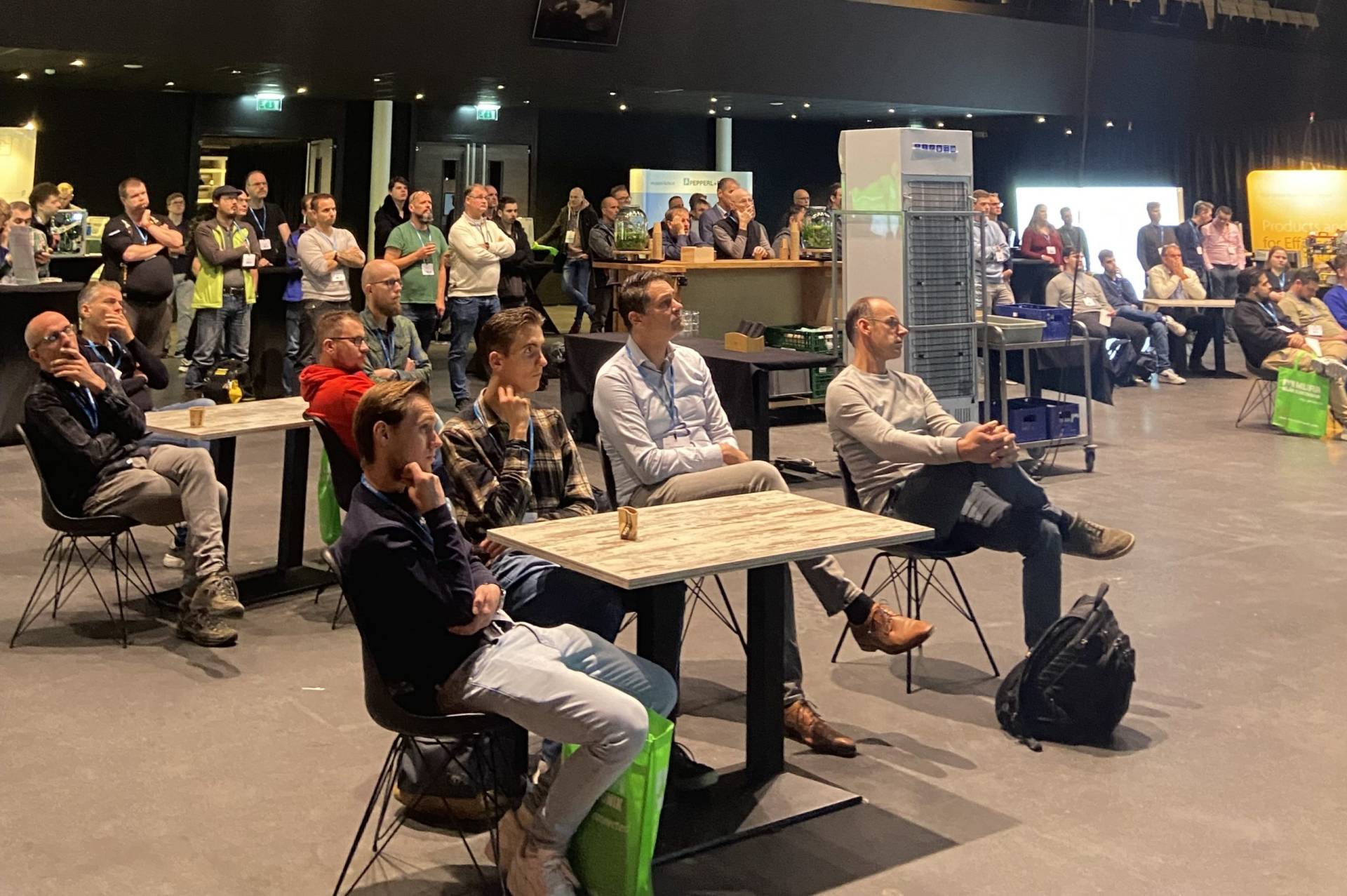
FHI brings young professionals together with the NextGen group (20-35 years). Here, FHI works on new initiatives and together we build a network that looks ahead.
Thinking differently, working differently
NextGen professionals distinguish themselves not only by their technical skills, but above all by their way of thinking. Characteristic skills of many young professionals include their ability to move effortlessly between disciplines, combining IT with engineering, data analysis with practical knowledge, and software with physical systems. Sectoral boundaries are blurring, and it is precisely in this context that they often feel at home. Problems are not approached from a single field of expertise, but integrally and solution-oriented.
Purpose and impact as a driving force
Within our NextGen group, we see that work is more than just performing tasks. A sense of purpose, personal development, and societal relevance play a major role. Technology is viewed as a means to contribute to themes such as energy transition, sustainability, healthcare, and food production. This requires organizations to provide space for initiative, innovation, and experimentation, but also an open culture where learning is central.
The role of education and practice
To allow NextGen talent to flourish, collaboration between education and the business community is essential. Based on various studies[1] It appears that practice-oriented learning, hybrid learning environments, and close alignment with the professional field help young professionals apply skills directly. Internships, traineeships, and field labs serve as the bridge between theory and practice in this regard.
Continuous learning as a necessity
Rapid technological development makes continuous professional development indispensable. Skills become obsolete more quickly, meaning learning is no longer a phase, but an ongoing process. In addition to technical knowledge, critical thinking, digital skills, and ethical awareness are also crucial.
Building the future
NextGen is not a promise for the distant future, but a defining factor of today. By actively involving this generation in innovation and decision-making, organizations strengthen their agility and future-proofing. The next generation of technology professionals is already playing a key role in shaping the world of tomorrow.
Curious? Visit the FHI NextGen web page For more information.
[1] A comprehensive overview of Generation Z in the workplace: Insights from a scoping review | Zahra | SA Journal of Industrial Psychology, GENERATION-Z-AND-THE-21st-CENTURY-WORKPLACE-A-SCOPING-REVIEW.pdf