


On Friday February 2, 2024, FHI is organizing an inspiring tech event in Ahoy, Rotterdam: FHI presents TechStories
One of the guest speakers is André Gunst (ASTRON), the system architect of the LOFAR radio telescope. He talks about the search for signals from the Big Bang and the technological challenges involved.
By: Hans Risseeuw
“We look for solutions to issues in radio astronomy and push the boundaries of technology.”
Radio astronomy
Solving astronomers' fundamental questions will require megastructure radio telescopes that generate petabytes of data. Within that data, hidden somewhere deep, lie the answers for the astronomers. LOFAR, the largest radio telescope for low frequencies (between 10 and 250 MHz) on Earth,
is a Dutch invention and its core is located near Exloo, Drenthe. The telescope supplies many petabytes of data every day, which is processed very quickly by a complex signal processing chain.
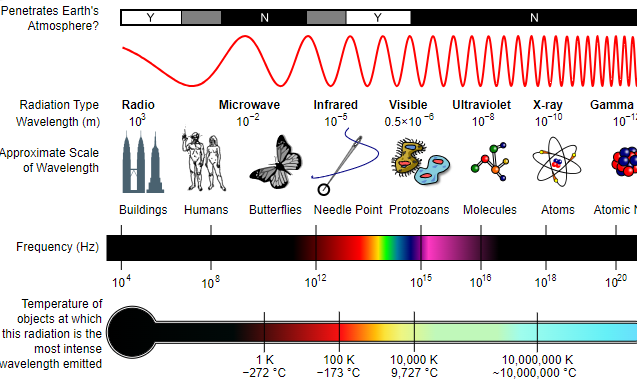
Electromagnetic spectrum
Radio waves are the longest waves with the lowest frequency in the electromagnetic spectrum. These waves are invisible to the human eye and allow astronomers to look at the universe through a completely different lens. LOFAR is used, among other things, to look deep into the universe. Radio astronomy looks at these waves with radio telescopes because they carry the furthest. So you can see the farthest with radio waves. And in space it is also true that the further you look, the further back in time you look.
Radio telescopes
Since the 1960s, radio astronomy has been further developed from dishes to LOFAR. The Dutch ASTRON has developed the LOFAR radio telescope.
LOFAR is set up very differently from the recognizable radio telescopes: the dishes. LOFAR consists of fields with many small antennas instead of a number of dishes. Through clever mathematics we can have fields full of antennas looking at the same point in the universe at the same time. Now we no longer use a large dish or a row of connected dishes, but fields full of antennas (stations) that have a modular structure. Various stations have been built across Europe and by linking them together we have a radio telescope with a diameter from Ireland to Bulgaria.
All data from these stations is sent to Groningen, where the correlator is located (a supercomputer) and here the petabytes of data are processed and converted into images that we recognize. Curious how astronomers search for answers to the most fundamental questions?
Come to the FHI TechStories on February 2 and be inspired by André Gunst, who shows what a small country can be great at.
FHI presents TechStories is a unique opportunity to become acquainted with the latest technological developments and be inspired by the stories of leading experts. The event is free for interested parties, members of FHI and partners. To make technology accessible to a wide audience, the presentations are in English and tickets (worth €75) are free of charge for this edition.
Related companies