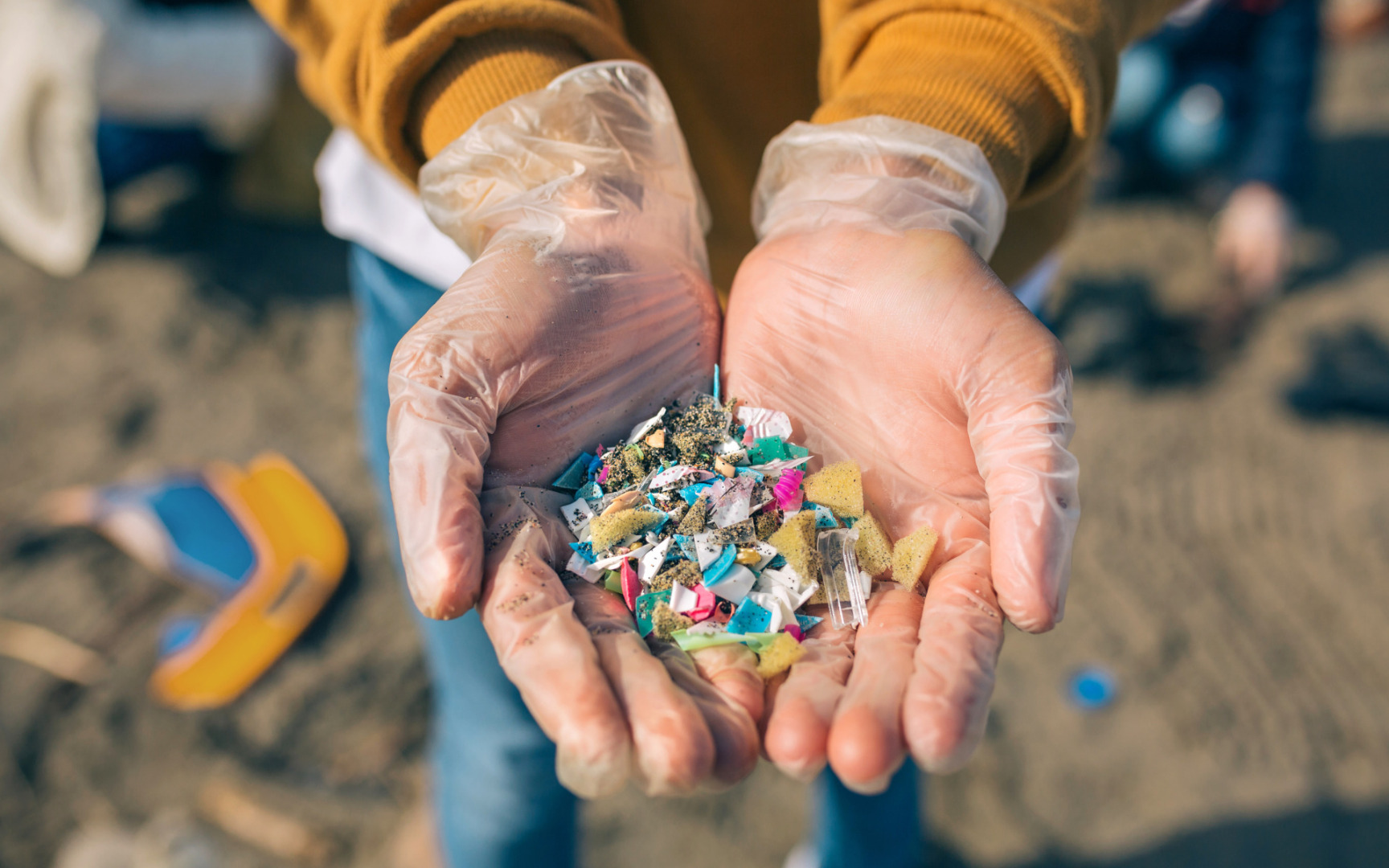
Analysis of microplastics requires more than just a good measurement method.

Microplastics can now be found everywhere: in water, soil, air, and even in your brain. But how do you measure these particles reliably and in a way that makes the results comparable? That question was central to an expert session‘Analysis of microplastics’ at the WoTS 2026 technology fair, where two specialists shared the latest insights on the analysis of microplastics.
Smart application of the guideline
According to the Assistant Professor Svenja Mintenig At Wageningen University & Research, the challenge lies not only in detecting the particles themselves. Sampling, sample preparation, and quality assurance also have a major influence on the reliability of the final results.
In her presentation, Mintenig shows that microplastic pollution differs from traditional chemical contaminants and therefore requires a different analytical methodology. By applying the new guideline ISO 24187:2023, laboratories can make measurement data more transparent and better reproducible.
About tires and microplastics
The second session focused on the analysis of tire wear particles, a major source of microplastics in the environment. Dr. Mike Wenzel, affiliated with the University of Duisburg-Essen, presented the results of his research in which he analyzed tire wear particles using TED-GC/MS technology. This is an advanced analytical technique that makes it possible to accurately identify and characterize complex microplastic fractions.
Practical tools
For the audience, the expert session offered up-to-date knowledge and practical tools to improve the quality and comparability of microplastic analyses. The presentations made one thing clear: the discussion surrounding microplastics increasingly revolves around the question of how to measure particles in a uniform and scientifically sound manner. Precisely this standardization is important to make research results usable for risk assessments, regulations, and environmental models.
Missed the expert session? Come to our events
Were you unable to attend the presentations, but does the subject appeal to you? The Laboratory Technology Branch of FHI regularly organizes events and meetings for laboratory professionals and interested parties. On the FHI website you will find more information.