New Machinery Regulation: from directive to direct obligation
By: Hans Risseeuw

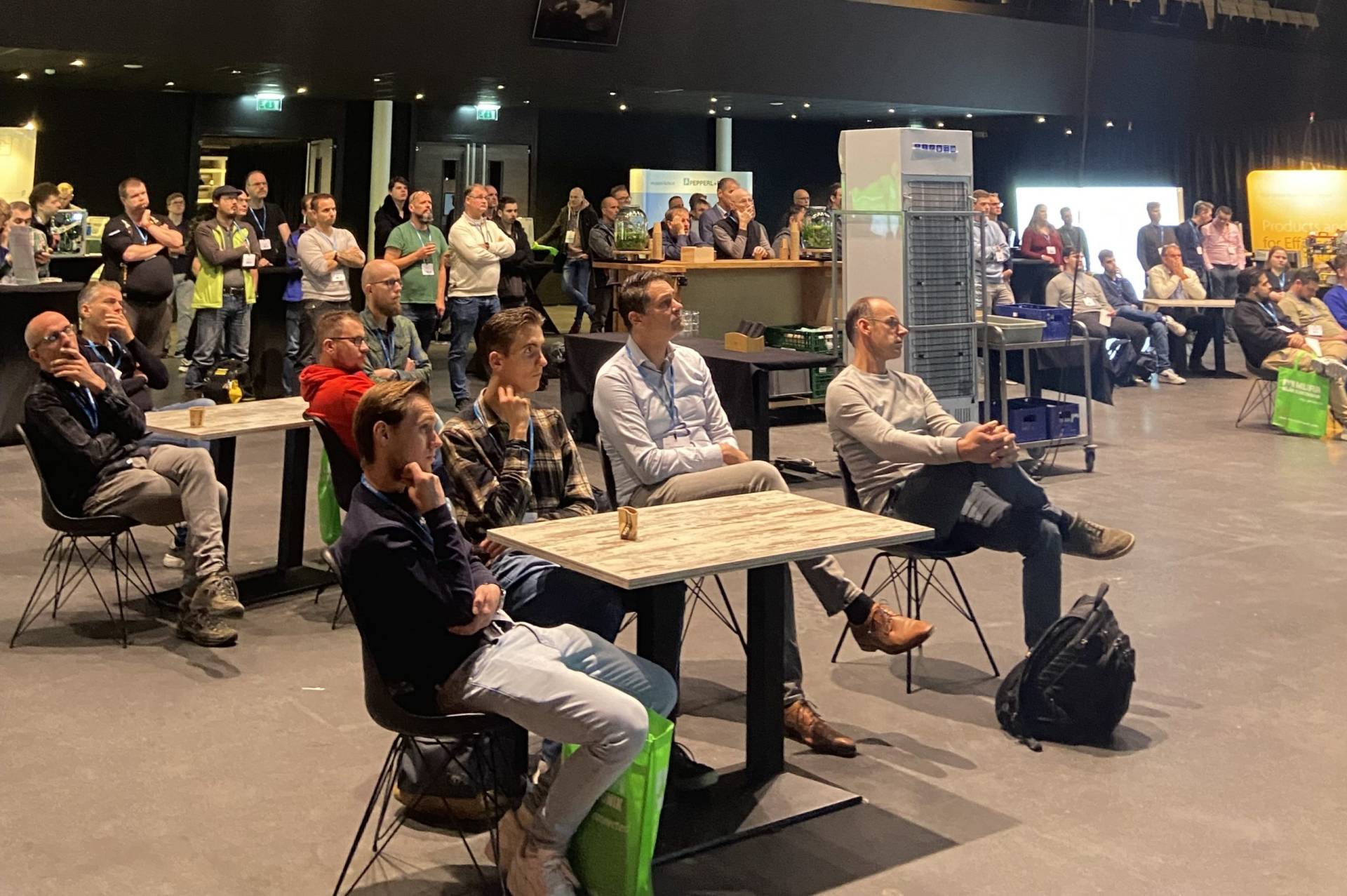
During the FHI Members' Meeting Machine Safety One question takes center stage: what does the new European Machinery Regulation mean concretely for your organization? For FHI members active in industrial automation, electronics, or machine building, this is not an abstract legal issue, but a direct change in design, engineering, and compliance.
As of 20 January 2027, the current Machinery Directive (2006/42/EC) will be replaced by the Machinery Regulation (EU) 2023/1230. This changes not only the content of the rules, but also the way they work.
From national interpretation to a single European standard
The most important difference is legal in nature. Whereas the Machinery Directive was transposed into national law by Member States, a regulation applies directly and uniformly in all EU countries. This means that companies can no longer rely on national interpretations: one European text is leading for design, assessment, and market access.
For FHI members, this has two consequences. On the one hand, a more level playing field is created within Europe. On the other hand, the scope for interpretation decreases, and compliance becomes more unambiguous and therefore stricter.
Stricter requirements, broader scope
The new regulation builds on existing safety principles but significantly tightens them. Machines must still comply with essential safety and health requirements, and CE marking remains mandatory. What changes is the scope of those requirements.[1]
New technological developments – such as digitalization, AI, and connected systems – have been explicitly included. Software is no longer included indirectly, but is formally recognized as a security component. This means that software, algorithms, and updates also become part of the risk assessment and compliance procedure.[2]
In addition, the regulation introduces new points of attention such as:
- cybersecurity and protection against digital threats
- machines with self-learning behavior and variable risk profile
- tightened classification of high-risk machines and conformity procedures
The impact of this is significant: safety is shifting from a primarily mechanical issue to a combination of physical and digital risks.
From snapshot to life cycle approach
A second fundamental change is the shift from a static to a continuous approach to security. Whereas compliance was traditionally a snapshot at market entry, the new regulation requires security to be ensured throughout the entire lifecycle, including software updates and modifications.
For FHI members, this means that processes surrounding engineering, validation, and documentation must be restructured. Risk assessments are becoming more dynamic and require collaboration between disciplines such as software development, cybersecurity, and system engineering.
What does this mean specifically for FHI members?
TNO emphasizes that companies that design, build, or modify machines, in particular, must start preparing in a timely manner. The transition period until 2027 seems generous, but it affects virtually all parts of the organization: from design choices to supply chain and documentation.[3]
Specifically, the new regulation calls for:
- integration of software security and cybersecurity into the design
- revision of technical files and digital documentation
- explicit assessment of AI and data-driven features
- better alignment within the chain (suppliers, integrators, end users)
From obligation to opportunity
Although the new Machinery Regulation is often seen as an additional regulatory burden, it also offers opportunities. Uniform regulations simplify international trade and strengthen confidence in innovative technology. Moreover, the regulation forces an integrated approach to safety – exactly what modern industry demands.
During this joint members' meeting of FHI Industrial Automation, Industrial Electronics, and Machevo, you will discover what is changing and how to respond to it.
[1] From Machinery Directive to Machinery Regulation
[2] Here’s how it works: the new Machinery Regulation in depth • AT-Aandrijftechniek