Defence: a sector in motion

Security in Europe is under pressure. Geopolitical tensions, the war in Ukraine, and new threats in the areas of cyber and critical infrastructure make a strong and technologically advanced defense increasingly important.

Investments in defense will therefore increase substantially in the coming years. The Netherlands and the other NATO countries are investing in equipment, technology, innovation, and resilience. This offers ample opportunities for the technology industry.

The FHI Defence Cluster brings companies and knowledge together and helps members monitor these developments, forge new connections, and seize opportunities in the defence market.

Five technological spearheads

NLD areas within defence policy are five specific technological spearheads in which the Netherlands is strong and in which the Ministry of Defence invests extra. NLD stands for Dutch (or national) leading; these are the areas in which the Netherlands is technologically at the forefront or aims to be at the forefront in collaboration with industry and knowledge institutions.

This approach is laid down in policy documents such as the Defence Strategy for Industry and Innovation.


The 5 NLD areas

  • Intelligent systemsThink of unmanned (computing) systems, drones, artificial intelligence (AI), and cyber capabilities.
  • Sensors: Advanced detection and observation technologies to observe the battlefield or the environment.
  • Quantum technology: Applications in the field of quantum computing and communication for, among other things, secure connections.
  • Space technology (Space)Technologies focused on satellites and applications in space that are crucial for communication and observation.
  • Smart materials: Innovative and strong materials with unique properties for protection and equipment.

How does the defense market work?

Defense as a buyer

Defence is a large and diverse purchaser. The ministry purchases, among other things, ships, aircraft, vehicles, IT, radar equipment, and other military systems. In addition, many civilian products and services are required, such as medical equipment, transport, catering, training, and consultancy services.

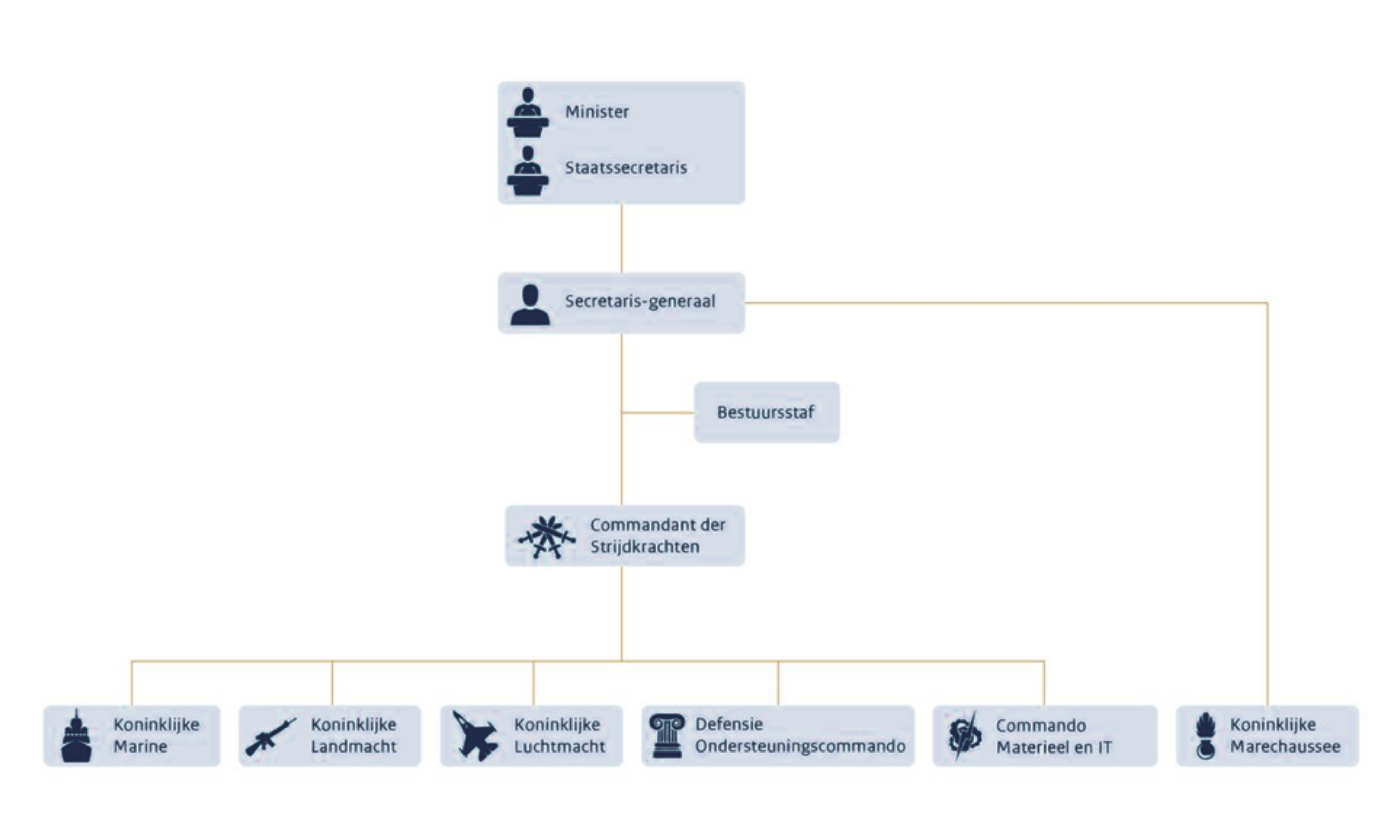
The Dutch Ministry of Defence is composed of seven main components: the Administrative Staff, four operational branches of the armed forces, and two support commands.

A significant part of equipment and IT procurement is handled through the Materiel and IT Command (COMMIT). COMMIT is responsible for the purchase, maintenance, and sale of equipment and procures various military products, services, and IT solutions. It Defence Support Command (DOSCO) focuses on facility, logistical, personnel, and medical support, among other things.
Where can you find assignments?

Defence must comply with European and national procurement rules for many contracts. For military and security contracts, the applies. Above the applicable threshold amounts, contracts must in principle be tendered at the European level, unless a specific exception applies.

The most important places to follow intended assignments and tenders are:

For companies wishing to enter the defense market, it is therefore important to actively monitor these platforms and carefully study the tender documents.

Not only direct delivery

You do not always have to enter into a contract directly with Defence. For major investment projects, you can also become involved as a supplier. In that case, a main supplier or OEM (Original Equipment Manufacturer) contracts you for a component, technology, or service.

This makes the defense value chain attractive to a broad group of technology companies. For example, a specialist in sensors, electronics, IT, materials, or production technology can become part of a larger defense system without supplying the complete system itself.


What is my place in the chain?

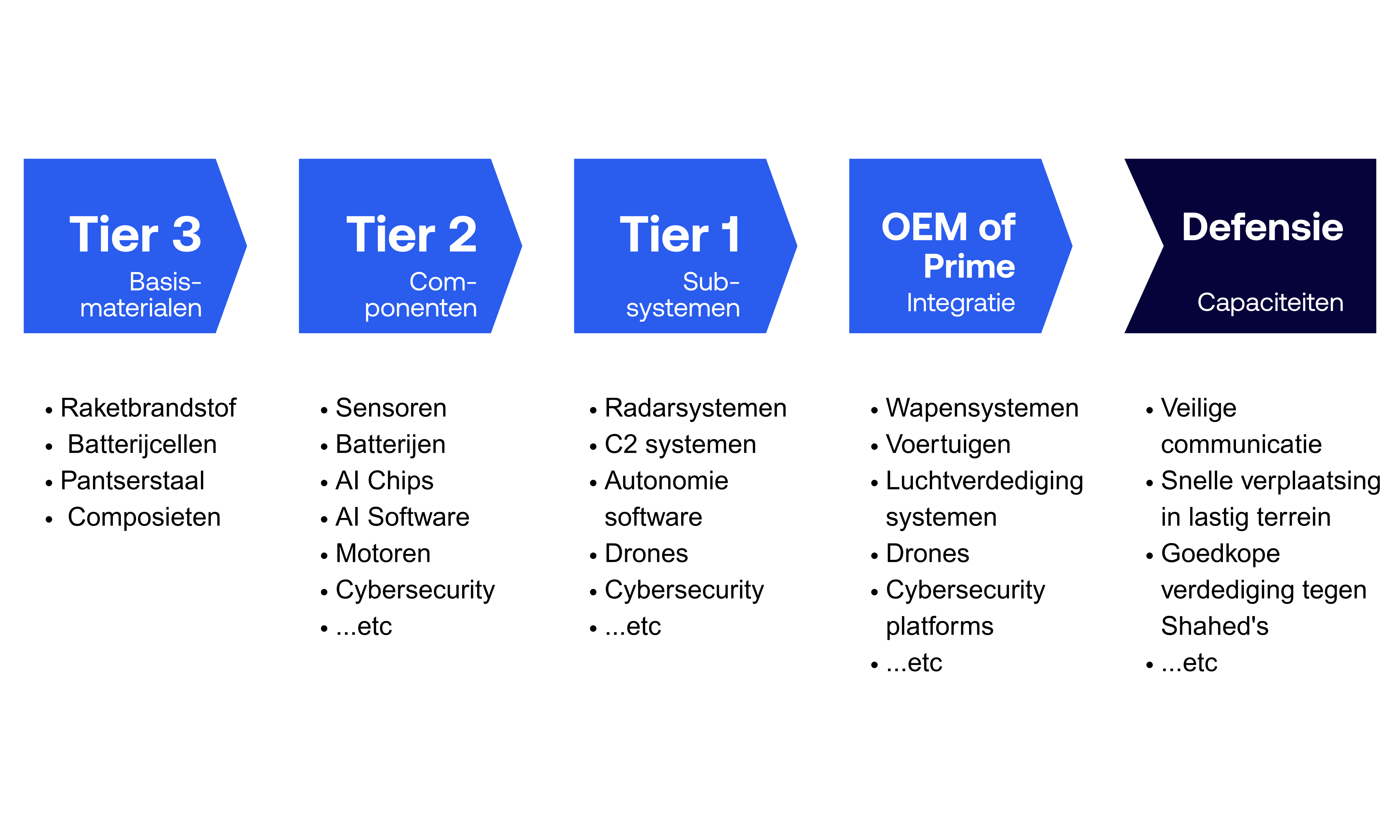
The defense supply chain has various positions/tiers. A small group of OEMs and integrators supplies complete systems to the Ministry of Defence and maintains a direct relationship with the Ministry. They manage the supply chain. In addition, there are direct suppliers who supply directly to the Ministry of Defence, often through tenders.

A larger group of companies operates as suppliers to OEMs, providing, for example, subsystems or technology. Below this is a very large group of suppliers that provide parts and components to industrial partners. The further a company is from the end product and Defence, the smaller its direct role and visibility towards Defence generally are. FHI members are mostly Tier 1 and 2 suppliers.

What requirements must you meet as a supplier?

Doing business with Defence requires more than a good product. Defence expects sufficient technical knowledge, experience, and capacity to execute an assignment.

Your enterprise must also be sufficiently financially and economically strong. Depending on the assignment, Defence may impose additional requirements, for example in the area of quality assurance.

A practical route to the defense market

Do you want to work with Defence for your company? Then start with these five steps:

  1. Determine your application
    Which technology, knowledge, or service from your company is relevant to Defence?
  2. Explore the market
    See which projects and developments align with your expertise.
  3. Follow tenders
    Keep an active eye on it.
  4. Look at the chain
    Research which OEMs, integrators, and industry partners are active within your market. Opportunities lie there as well.
  5. Prepare your organization
    Check via

Where can you find more information?

Please consult the FHI Route Map for the answer to your questions/the route to Defence and OEMs.

For startups, scale-ups, and innovative tech companies (MINDbase)

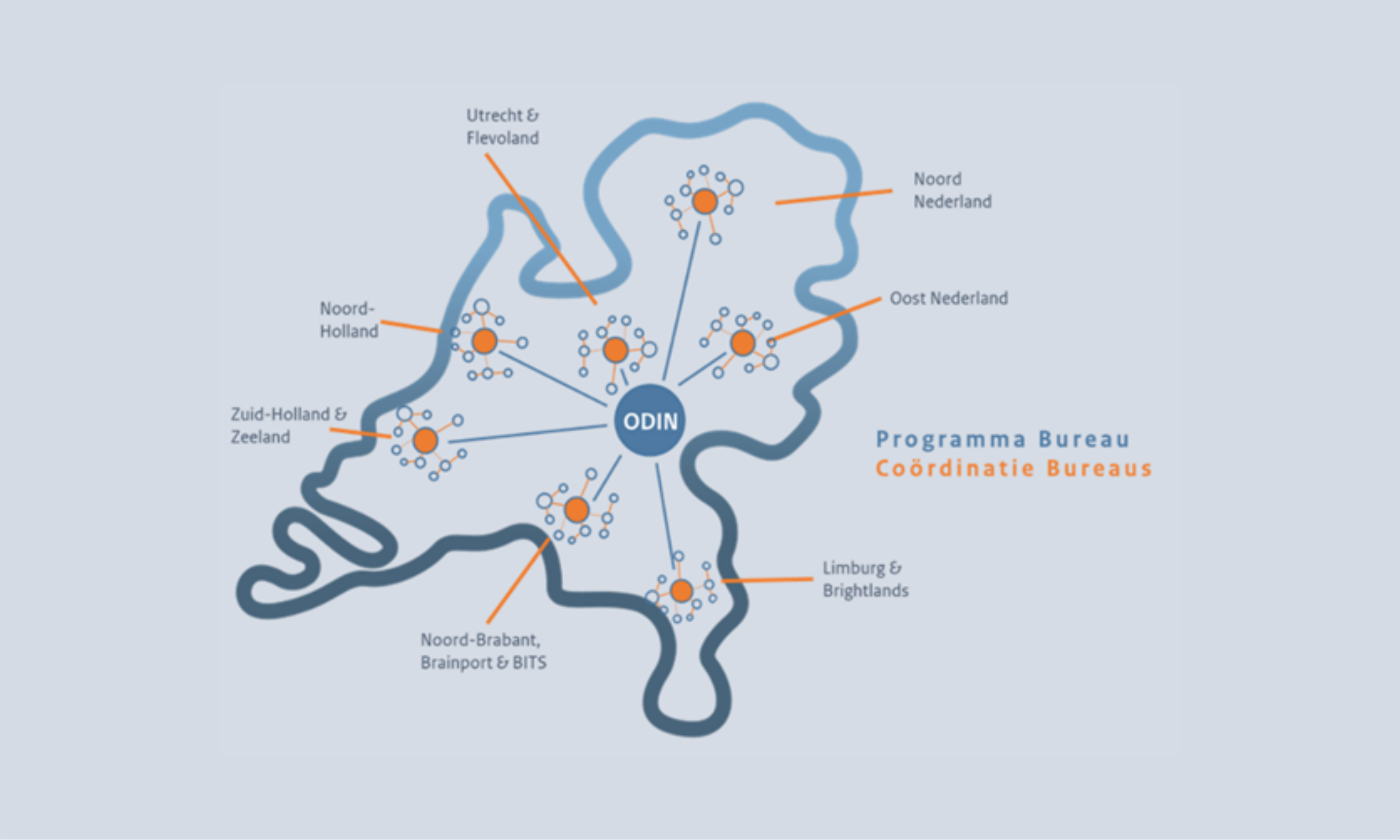
If you have an innovative (dual-use) idea or prototype, the national network of MINDbase (Military Innovation by Doing) the official starting point. Defence has opened physical innovation hubs at vibrant tech locations throughout the Netherlands. Through these hubs, you can easily get in touch with a Defence Innovation Team (DIT).

  • Regional MINDbases: Located on innovation campuses in Delft, Eindhoven (Brainport), Enschede, Geleen (Brightlands), Groningen, and Amsterdam, among others.
  • Sign up via email: You can contact us directly via the central or regional desk (such as mindbase@mindef.nl or region-specific addresses such as mindbasenoord@mindef.nlThe team helps you investigate whether your technology matches military needs and assists you with the route to funding.

Subsidies and innovation programs (Calls)

Defence regularly makes multi-million euro budgets available to high-tech SMEs through specific innovation programmes.

  • SME Defense calls: In collaboration with Holland High Tech Specific calls are issued. Through these, tech companies (often together with knowledge institutions) can receive subsidies to develop dual-use applications within NLD areas such as Space, Quantum, and Smart Materials.
  • Keep track of the subsidy calendars of the Netherlands Enterprise Agency (RVO) and keep an eye on Holland High Tech's channels for current deadlines.


NIDV (Dutch Defence and Security Industry)

The NIDV The association serves as the umbrella organization and the most important bridge between the Dutch defense industry and the government. They assist you with networking, positioning, and participation in international defense projects.

Questions for FHI?
Please contact Marc Berkouwer or Rik Meijerhof

More about defense?

read more
Radar development within Robin Radar: technological leaps for a new era of detection
Sustainability of defense real estate: technical complexity in large-scale transformation
Defense & Technology
FHI, Federatie van technologiebranches