Sustainability and greening of the laboratory world
By: Ivo Horn – Picamed

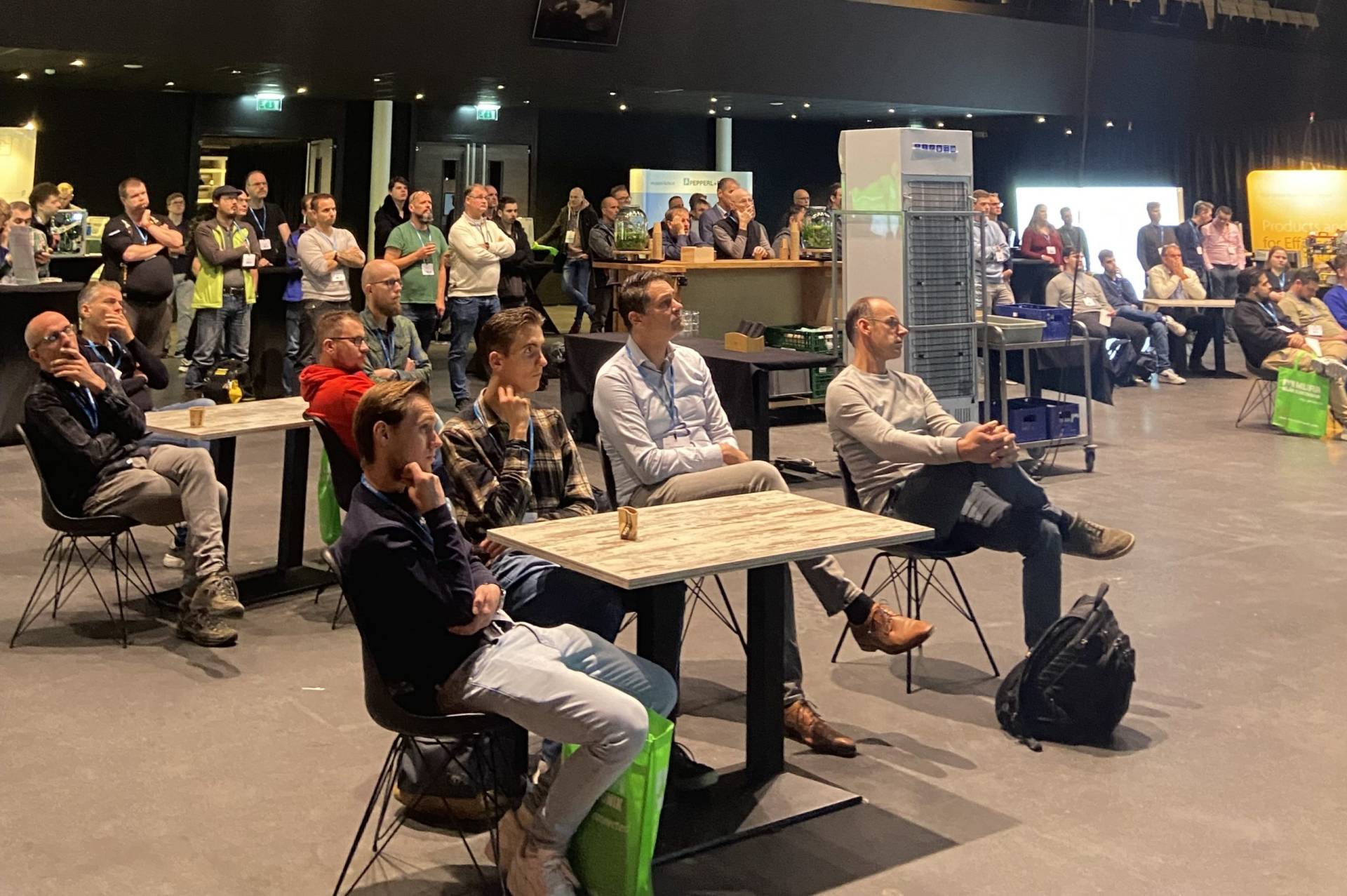
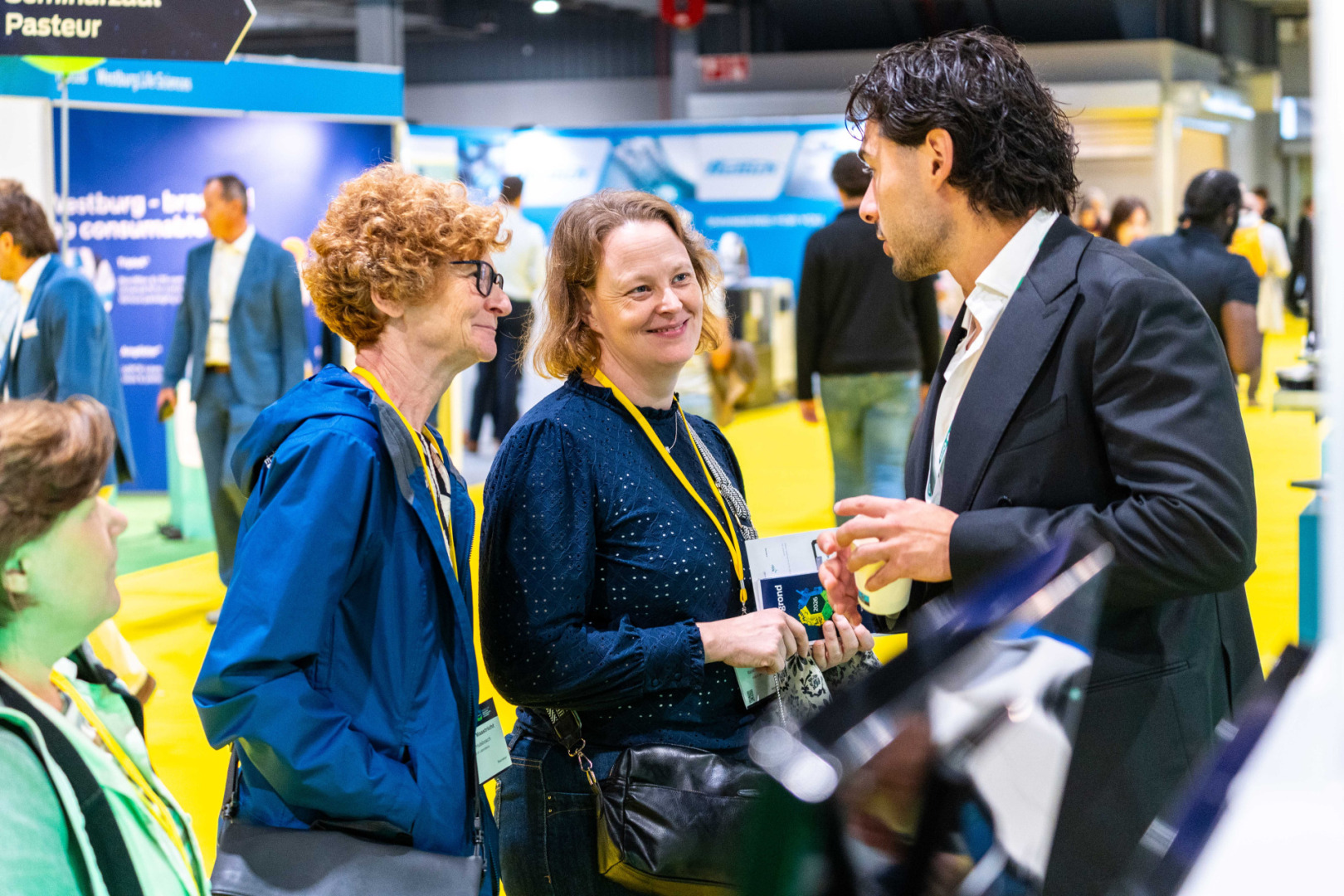
On Tuesday, September 22, during the World of Industry, Technology and Science (WoTS), organized by the FHI, the sustainability and greening workshop takes place in the lab. An inspiring hour, introduced by Renate Kat (Green Labs NL) and assisted by colleagues Aram de Haas and Joep Sprangers. The participants also had to work.
Community of laboratory workers
Green Labs NL is a growing community of knowledge workers in the laboratory world who exchange ideas about sustainability in the lab. And, central to Green Labs NL's mission is embedding sustainable practices in their work. The organization assigns itself a third important task, namely organizing educational activities (such as this workshop) and thereby raising awareness of sustainability among everyone working in Dutch laboratories.
Purchasing as an important factor
Renate opened the workshop with an introduction to the theme. Research shows that procurement by labs has the greatest impact on lab emissions, far ahead of, for example, travel, electricity, cooling systems, or transport. A project team from Green Labs NL, published in 2026 by Joep Sprangers, has mapped out which procurement generates the largest footprint. Remarkably: the top twelve on this list, including culture flasks, pipettes, gloves, and centrifuge tubes, are responsible for 80% of a lab's emissions! The project group has via machine learning models All purchasing data from Dutch university hospitals were mapped. A total of 186 products distributed across 78 categories was reported, and the impact was determined using the Ecoinvent database.
Reduction strategies
To achieve a reduction in laboratory emissions, Renate indicated that there are multiple strategies. For instance, a lab can consider no longer using certain materials or think about alternatives. Reducing the materials to be purchased, reusing or redesigning a product or process are other possibilities. At the Green Science Festival organized by Green Labs NL (held in May of this year), this was a major topic, and companies and institutions from the laboratory world participated in the discussion. The starting point for achieving a greener industry is “a business model in which stakeholders in a specific production process collaborate from different perspectives, with different knowledge and diverse approaches, to achieve circular economic goals,” according to Dr. Maike Tietschert, who works at Erasmus University Rotterdam and was involved in setting up the workshop. Currently, the view is still too linear, namely from producer via supplier and customer to waste management. The new situation calls for much more 'lateral' collaboration, involving significant interaction between all actors (Berlin, 2022). Through crosstalk between stakeholders, gaps can also be identified where startups can make a difference. Renate explained a specific example, after which the attendees were able to get to work on a targeted assignment.
Stakeholders and circular systems
Given the significant benefits of a more sustainable procurement policy, Renate initiated an assignment centering on the procurement network. Participants were required to reflect on and discuss with one another the various stakeholders involved in procurement processes. Is anyone from the lab aware of the quantities being purchased? How are waste streams handled; is recycling possible? Could the supplier perhaps make an adjustment to the product to make it more sustainable? Are we overlooking anything? What is the low-hanging fruit? The role of innovation was not to be overlooked in this context. Consequently, there were many considerations required to achieve a truly circular system through procurement collaboration in this assignment.
From cleaning centrifuge tubes to shredding gloves
In groups of five to six people, discussions were held based on a self-chosen topic. For example, one group examined multiwell plates, identifying thirteen stakeholders. They discussed the influence of coating on reuse. It is possible that the coating process could be made more sustainable. Another group focused on centrifuge tubes. These could potentially be returned to glass, such as in the old days. However, quality checks naturally play a major role in this. Around ten actors were mapped out here. Two groups looked at pipette tips and their potential reuse. The groups identified six to twelve actors. Reuse is central here, and systems are already on the market to enable reuse. However, it remains a complex transition. Two other groups focused on gloves and blood tubes. An important finding regarding the gloves was that suppliers need to have a good understanding of how a researcher works, as there is much to be gained from that knowledge. Can gloves be reused, or do they need to be shredded for recycling? How do we process them then, and via which waste stream? The blood tubes turned out to involve a complex network of as many as fourteen actors. It was determined that educating all involved parties is an important aspect. A final group focused on the possibility of organizing a 'recycling plant' in the hospital. The group identified eight potential actors involved in this project.
A follow-up on March 25, 2027
After the plenary round of discussions with the groups, the session was closed by Renate, followed by a few closing remarks from Wendy Debets, FHI Sector Manager. She drew attention to the FHI’s Sustainability Expert Group. This group consists of fifteen leading companies. The group aims to set the tone for greening in the labs and serve as a good example for other institutions and companies. The group has its own platform where knowledge and best practices are shared. Additionally, they organize workshops to share new guidelines in the field of sustainability. Wendy drew the workshop participants' attention to the date of March 25, 2027: on that day, a major meeting organized by the FHI will take place, entirely dedicated to sustainability. This is an important moment to take the next step towards a more sustainable laboratory sector.