World of Laboratory: AI in the lab

Artificial intelligence is playing an increasingly prominent role in laboratories. Where analysts used to have to manually interpret large amounts of data, algorithms can now recognize patterns barely visible to the human eye. From image analysis and data processing to optimizing measurement processes: AI helps laboratories work faster, more consistently, and smarter. This gradually shifts the role of the laboratory worker from operational to directing and monitoring.

AI proves its value, particularly when analyzing complex datasets. In healthcare, for example, artificial intelligence supports diagnosis and treatment options, such as in oncology. By combining large amounts of patient data, measurements, and images, insights emerge that would otherwise be difficult to obtain. This not only accelerates the research process but can also have a direct impact on patient care and treatment pathways.

At the same time, the use of AI raises important questions. How reliable is the data used to train algorithms? Where is the line between human expertise and automated decision-making? Hybrid intelligence, in which humans and technology collaborate, is increasingly being discussed.

At the World of Laboratory, the impact of AI on daily lab work takes center stage. Through seminars and demonstrations on the exhibition floor, visitors will discover how artificial intelligence is already being applied in laboratories today and which developments will be decisive in the coming years.

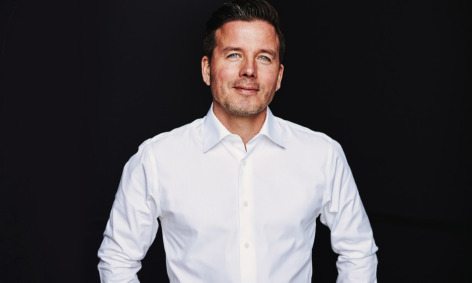
Keynote – Artificial Intelligence 2026

AI expert Jarno Duursma  takes you into the world of Artificial Intelligence and shows you in concrete terms how you can use AI to work smarter, faster and more efficiently, always with an eye for the human dimension.

Round table sessions

Register
AI in the lab
During WoTS, FHI is organizing three round table sessions in collaboration with LabInsights. Experts will engage in discussions with each other and with visitors about current themes. The rise of AI is changing lab processes as well as the role of quality officers and lab managers. We will explore where to start with AI tools, what quick wins are available, how to set up an AI team, and when application is justified.

Thursday, September 24, 14:00 – 14:30 (Einstein)
Career and education
During WoTS, FHI is organizing three round table sessions in collaboration with LabInsights. Experts will engage in discussions with each other and with visitors about current themes. Talent development is the key to success in getting young people excited about a lab career; how do you communicate and implement this? Do you focus on diploma requirements or do you provide training yourself, and how do you make your lab organization attractive in the process?

Tuesday, September 22, 14:00 – 14:30 (Fleming)
Sustainability in the lab
During WoTS, FHI is organizing three round table sessions in collaboration with LabInsights. Experts will engage in dialogue with each other and with visitors about current themes. How do you make your lab more sustainable—and where do you start? In this session, we will share practical steps and 'low-hanging fruit', and discuss which investments are worthwhile, what they yield, and how to make impact measurable.

Friday, September 25, 11:00 – 11:30 (Fleming)
FHI, federatie van technologiebranches