World of Laboratory: sustainability

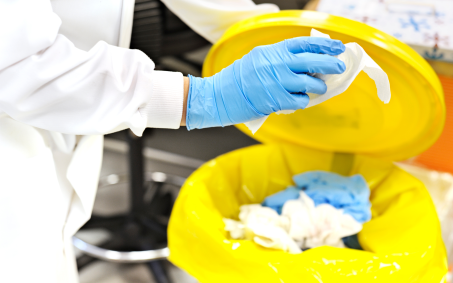
Sustainability is receiving increasing attention in laboratories. This is necessary: labs consume a lot of energy and water and produce a relatively large amount of waste. At the same time, strict safety standards, specialized equipment, and high quality requirements make achieving sustainability more complex than in an office environment.

Nevertheless, many practical steps are possible. Consider saving energy by using equipment more intelligently, optimizing cooling and ventilation, or switching off instruments when not needed. Better waste separation and reducing disposable materials can also make a big difference.

Moreover, sustainability plays a role throughout the entire laboratory chain. Increasingly, attention is being paid to more sustainable materials, packaging, and chemicals. More efficient research planning, better handling of samples, and limiting waste also contribute to a smaller ecological footprint.

We organize various activities that provide you with immediate, practical tools to get started with sustainability in your own lab.

  • Participate in an X-pedition along sustainable lab solutions
  • Attend the daily workshop on sustainable working in the lab
  • Join the discussion during a hands-on workshop on cleaning and reusing pipette tips.

X-pedition durability

More and more laboratories are committed to sustainability and there are numerous initiatives: from reusable pipette tips to saving energy. But to really make big steps you need the entire chain. That is why exhibitors from the World of Laboratory present the latest sustainable solutions for your laboratory. During the X-pedition sustainability you will take a tour of six participating companies and through interactive demos you will gain practical insight into the latest innovations and gain inspiration to get started yourself. The X-peditions can be followed every day of the fair week.

Round table sessions

Register
Sustainability in the lab
During WoTS, FHI is organizing three round table sessions in collaboration with LabInsights. Experts will engage in dialogue with each other and with visitors about current themes. How do you make your lab more sustainable—and where do you start? In this session, we will share practical steps and 'low-hanging fruit', and discuss which investments are worthwhile, what they yield, and how to make impact measurable.

Friday, September 25, 11:00 – 11:30 (Fleming)
AI in the lab
During WoTS, FHI is organizing three round table sessions in collaboration with LabInsights. Experts will engage in discussions with each other and with visitors about current themes. The rise of AI is changing lab processes as well as the role of quality officers and lab managers. We will explore where to start with AI tools, what quick wins are available, how to set up an AI team, and when application is justified.

Thursday, September 24, 14:00 – 14:30 (Einstein)
Career and education
During WoTS, FHI is organizing three round table sessions in collaboration with LabInsights. Experts will engage in discussions with each other and with visitors about current themes. Talent development is the key to success in getting young people excited about a lab career; how do you communicate and implement this? Do you focus on diploma requirements or do you provide training yourself, and how do you make your lab organization attractive in the process?

Tuesday, September 22, 14:00 – 14:30 (Fleming)
FHI, federatie van technologiebranches