“The value of WoTS lies not only in what you see, but especially in what you take away.”
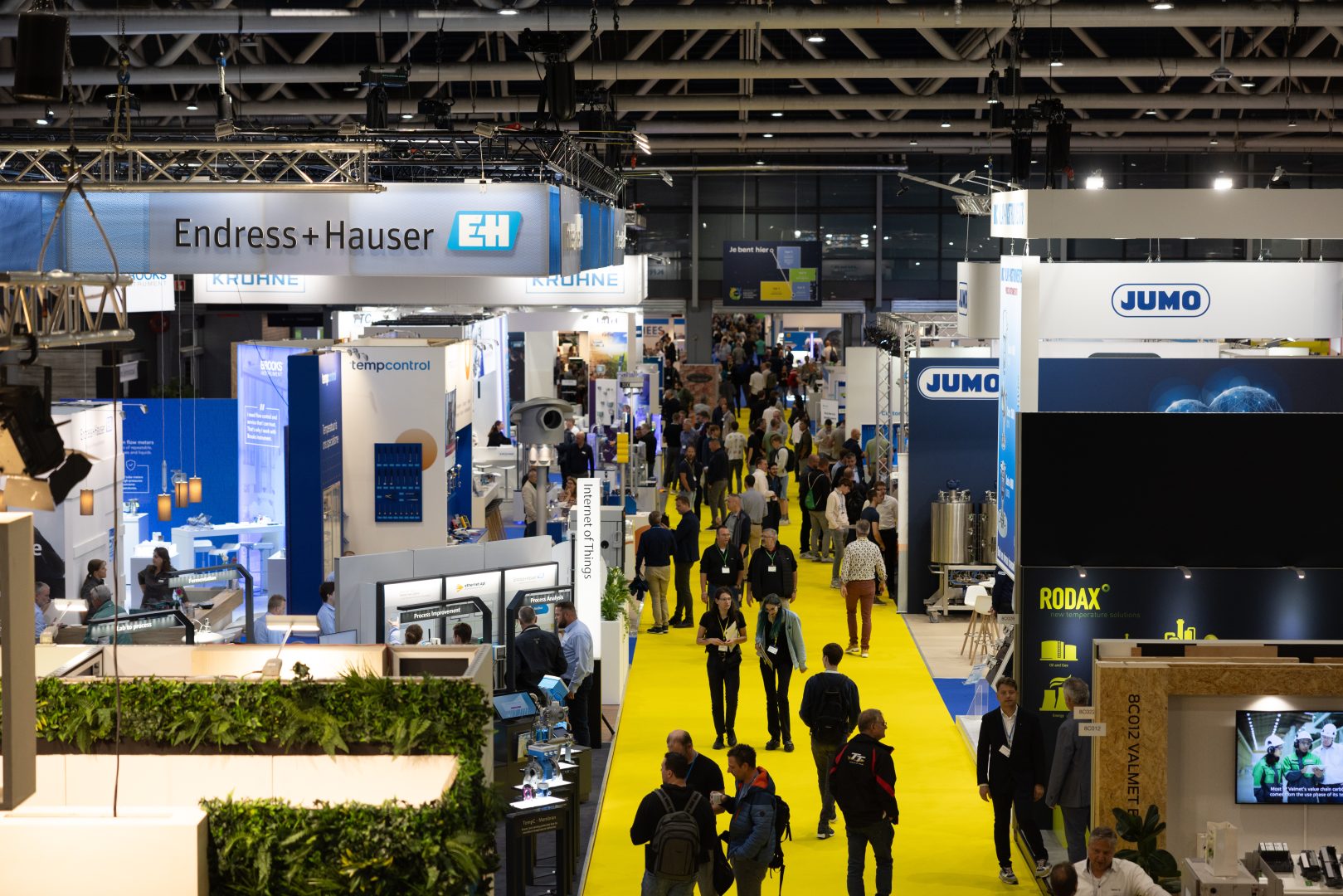
From September 22 to 25, Jaarbeurs Utrecht will once again be the focus of the World of Industry, Technology & Science (WoTS). Rob Valent, Chairman of the FHI Industrial Automation sector, answers five questions and explains why WoTS 2026 is the meeting place where technology goes beyond brochures and presentations. “Here, technology truly comes to life.”
What makes WoTS the place where technology and science come together?
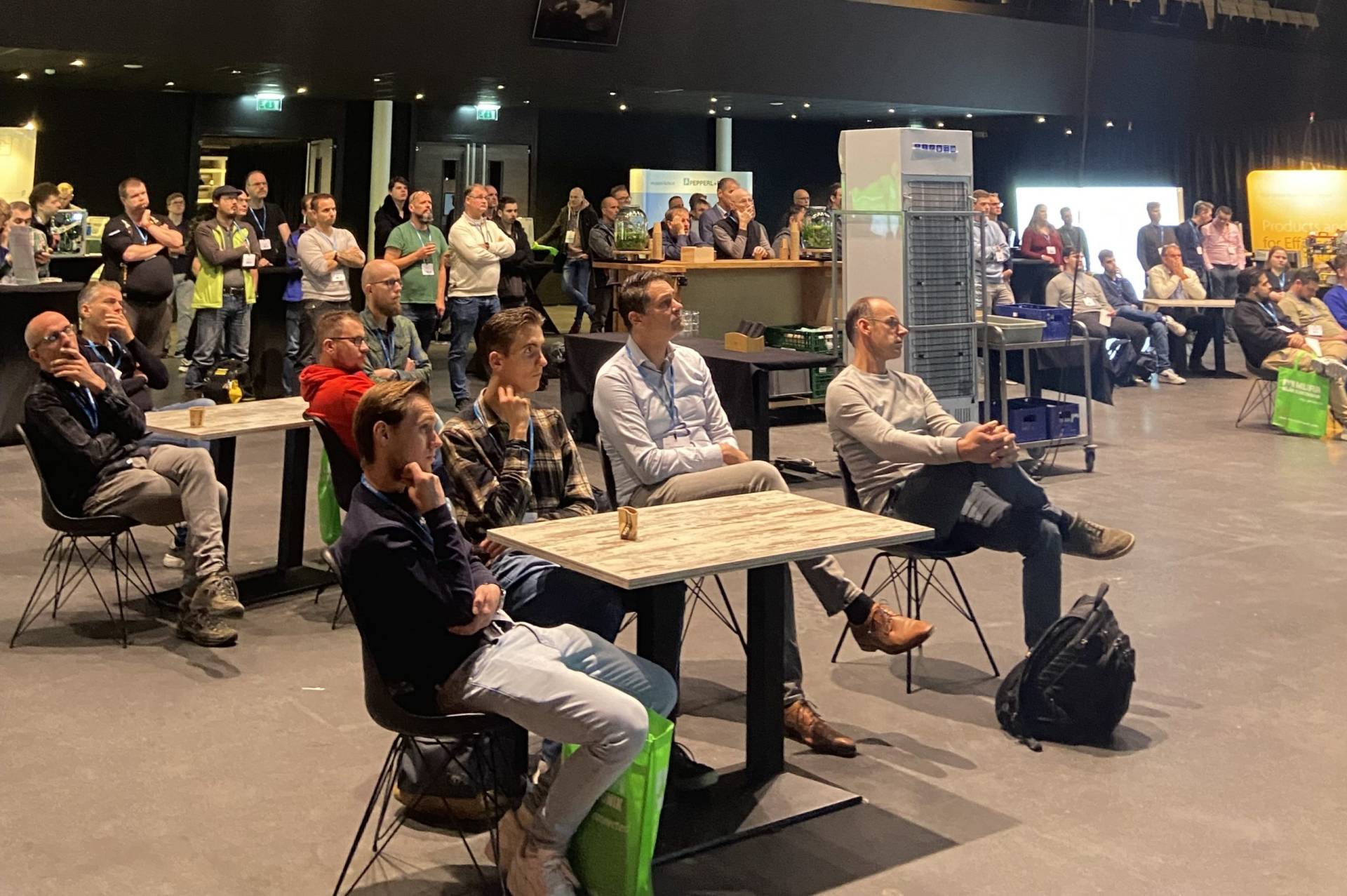
According to Rob Valent, the strength of WoTS lies in the unique combination of people who meet on the exhibition floor. Engineers, scientists, suppliers, end-users, and students come together not only to talk about products, but above all about applications and practical experiences. “It is about the societal and industrial challenges for which we must find solutions together.”
“Through my international work, I see many technological developments pass by. What makes the WoTS special is that it brings all these developments together in one central place and translates them to the Dutch industry. There, you can see, touch, and discuss innovations with the people who developed them or are applying them in practice.”
Which innovation or activity surprises you the most?
Valent points without hesitation to the Student Innovation Pavilion. “Student teams demonstrate there how they are working on practical solutions for sustainability, electrification, and the energy transition, among other things.”
What appeals to him most is the interaction between young talent and the business world. “Innovation does not come exclusively from established technology companies. It is precisely the combination of experience from the business world and the uninhibited creativity of students that can lead to surprising new solutions.”
How does WoTS connect companies, professionals, and students?
In a time when many interactions take place digitally, personal contact remains indispensable, according to Valent. “For me, the strength of WoTS lies primarily in the personal meeting.”
“Companies meet potential customers, partners, and employees there. Professionals exchange knowledge with peers. Students, in turn, gain a concrete picture of career opportunities within technology.” That is very important, he emphasizes: “The technology sector faces a major challenge regarding the availability of technical talent. WoTS can help students and young professionals see how versatile, international, and socially relevant a career in technology is.”
Which trends are you seeing this year?
Artificial Intelligence remains an important theme, but the focus is shifting. “Attention is increasingly moving towards the question of how we can deploy AI responsibly and practically within industrial processes.”
In addition, Valent observes a strong focus on digitalization, IT/OT integration, industrial cybersecurity, industrial networks, robotics, and smart manufacturing. “These topics are closely interconnected. Companies want to make their production processes smarter, more flexible, and more efficient, but at the same time must ensure reliable, secure, and manageable systems.”
What should visitors absolutely not miss?
Valent’s advice is clear: “plan your visit, but leave room for surprise. Visit live demonstrations, knowledge sessions, the Student Innovation Pavilion and the submissions for the High Tech Trophy.”
But above all: “start the conversation. Ask not only what a technology can do, but especially what problem it solves and what results have been achieved with it.”
His conclusion perfectly summarizes why a visit to the World of Industry is worthwhile: “The value of WoTS is determined not only by what you see, but above all by the knowledge, ideas, and new contacts you take home afterwards.”