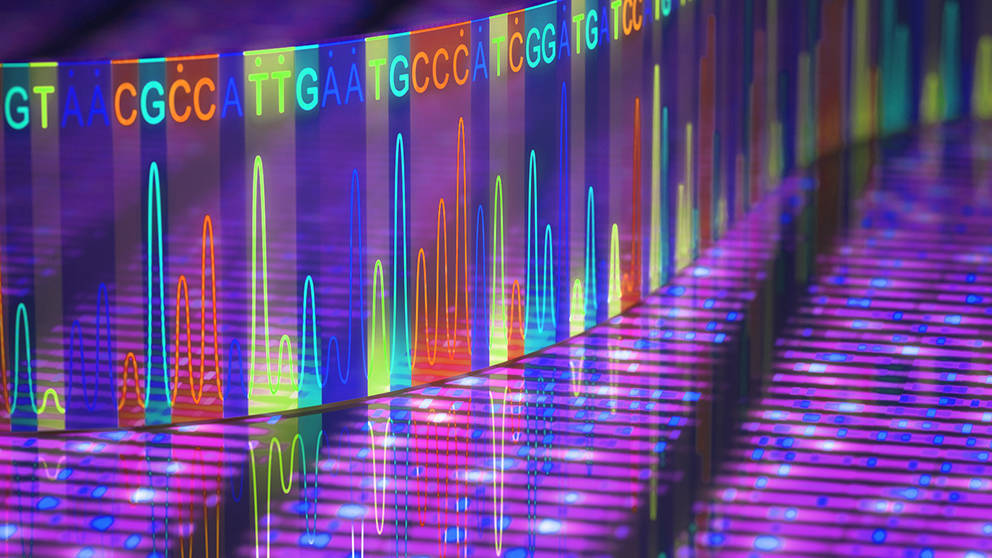
Precision Medicine – Targeted Sequencing: NGS sequencing is key to identify specific genetic mutations & molecular biomarkers.
Precision medicine is a personalized healthcare approach that uses genetic, environmental, and lifestyle factors for patient treatment. Crucially, targeted sequencing is key in this paradigm to identify specific genetic mutations and molecular biomarkers. The technique expedites the development of targeted therapies and confirms more effective and individualized treatments.
Understanding Targeted Sequencing in Precision Medicine
Targeted sequencing in precision medicine alludes to the precise analysis of specific genomic regions of diseases or treatment responses. Comparatively, targeted sequencing is unique in precision medicine. Unlike whole-genome or whole-exome sequencing, it concentrates on a subset of genes or regions for deeper, more accurate analysis at a reduced cost and time.
Although whole-genome sequencing provides a wide-ranging indication, it might comprise enormous amounts of data with ambiguous clinical significance. On the other hand, targeted sequencing focuses on clinically relevant regions for more actionable insights.
For instance, in cancer treatment, targeted sequencing can identify mutations in explicit oncogenes like BRCA1/2 for breast cancer, guiding personalized therapy choices. In pharmacogenomics, targeted sequencing of genes like CYP2C19 can predict individual responses to medications such as clopidogrel. Accordingly, it augments treatment efficacy and moderates adverse effects.
Applications of Targeted Sequencing in Precision Medicine
1 – Diagnosing and Treating Genetic Diseases
Since targeted sequencing is where specific genome regions are selectively sequenced, it has altered the diagnosis and treatment of genetic diseases. While focusing on genes of certain conditions, the method provides accurate results. For example, in cystic fibrosis, targeted sequencing can identify specific mutations in the CFTR gene for bespoke treatment plans. Sequencing the HBB gene in sickle cell anemia identifies the exact type of mutation to guide therapeutic strategies.
2- Personalized Cancer Treatment and Drug Development
In oncology, targeted sequencing finds mutations in cancer cells absent in normal cells. It develops modified cancer treatments. For instance, identifying mutations in the BRCA1 and BRCA2 genes in breast cancer can promote PARP inhibitors, which are more effective in cancers with these mutations. Also, targeted sequencing matures new drugs while revealing the molecular pathways disrupted by specific mutations. It guides pharmaceutical research toward targeted therapies.
Explore GeneMind’s Targeted Sequencing Solutions
Cancer Panel NGS Solutions for Precision Oncology – Comprehensive Cancer NGS Solutions from 30 to 580 Genes
GeneMind has developed three NGS cancer panels to support precision oncology across routine diagnostics and advanced genomic profiling.
Explore mand and Feel free to reach out to our expert Wei Rong +32 (0) 498 56 51 18 – wei.rong@analis.be
EXPLORE MORE >> https://www.analis.com/categ/next-generation-sequencing#Precision-Oncology